
Favorite Products for Demolition Service Projects You Can Count On
Select from proven tools and machinery that support demanding demolition tasks with precision and power.
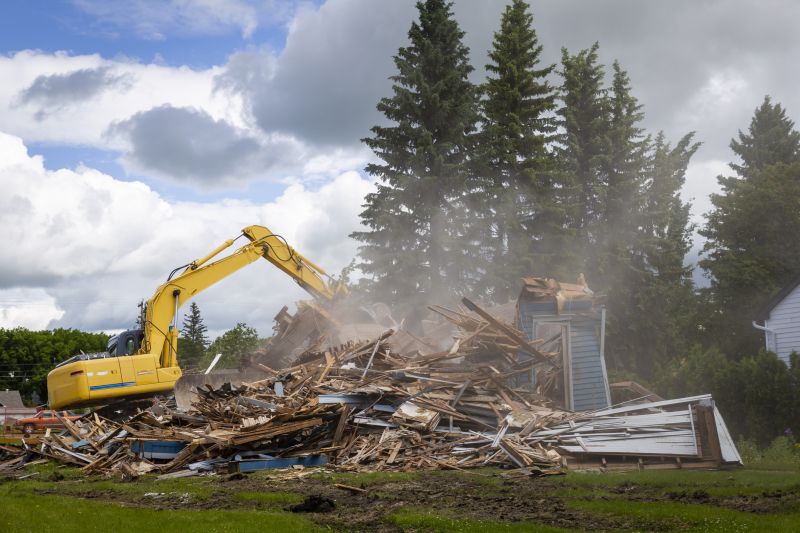 Demolition projects in Matthews, NC, require a carefully curated selection of tools and equipment to ensure efficiency and safety. Whether it's tearing down a small structure or undertaking a large-scale demolition, having the right products is essential. Proper equipment not only streamlines the process but also minimizes potential hazards on site. From handheld tools to heavy machinery, the variety of products available caters to different project sizes and complexities.
Top Overall Option
Universal Demolition Tool Set
A comprehensive demolition tool set that includes a variety of hand tools, pry bars, sledgehammers, and safety gear. Designed for versatility, this set caters to different demolition tasks and is suitable for both professional crews and serious DIY projects. Its durable construction and ergonomic design help improve efficiency and safety during demolition activities.
Types of Products For Demolition Service
Hydraulic Breakers
Heavy-duty hydraulic tools used for breaking concrete, asphalt, and other tough materials, ideal for large-scale demolition projects.
Demolition Hammers
Power tools designed for chipping away at concrete and masonry, suitable for both handheld and larger applications.
Pry Bars and Crowbars
Hand tools essential for prying apart materials and removing nails, useful for interior and light demolition tasks.
Sledgehammers
Heavy hand tools used to deliver powerful blows for breaking through walls, floors, and other structures.
Wrecking Balls
Large spherical weights mounted on cranes for knocking down substantial structures, typically used in major demolitions.
Cutting Torches
Gas-powered tools for cutting through metal and other tough materials during demolition.
Concrete Saws
Specialized saws designed to cut through concrete and masonry efficiently, often used for precise demolition cuts.
Dust Suppression Equipment
Devices like water spray systems that help control dust during demolition activities, enhancing safety.
Safety Gear
Protective equipment including helmets, gloves, goggles, and respirators essential for safe demolition work.
Scaffolding and Ladders
Support structures that provide safe access to elevated demolition sites.
Dumpsters and Debris Containers
Large containers for collecting and removing debris generated during demolition projects.
Excavators
Heavy machinery equipped with attachments like buckets and breakers for large-scale structural demolition.
Skid Steer Loaders
Versatile compact loaders with attachments suitable for demolition debris removal and site cleanup.
Concrete Crushers
Machines designed to crush concrete into manageable sizes for removal and recycling.
Vibratory Plate Compactors
Equipment used to compact soil and debris after demolition to prepare for new construction.
Vacuum Excavators
Tools that use suction to remove debris and hazardous materials from sensitive areas.
Popular Choices
Portable drills with high torque for breaking through materials in confined spaces.
Versatile attachments for demolition hammers that enhance their functionality for various tasks.
Lightweight and easy-to-handle tools suitable for interior demolition and small-scale projects.
Compact saws ideal for cutting metal, concrete, and masonry in tight spaces.
Corded or battery-powered saws for quick and precise cuts on various materials.
Essential safety equipment to protect workers from dust and airborne particles.
Robust carts for transporting debris and materials on site.
Lighting solutions to ensure visibility during demolition in low-light conditions.
Tools for lifting and spreading materials safely during demolition.
Tools for gripping and turning large pipes and structural elements.
Power sources for tools and equipment in remote or unpowered sites.
Equipment used to compact soil and debris after demolition work.
Tools used for spreading and lifting heavy materials during structural demolition.
Markers and barriers to secure demolition sites and prevent unauthorized access.
Advanced machinery operated remotely for precise and safer demolition in hazardous areas.
Understanding the specific needs of each demolition task helps in choosing appropriate equipment. For instance, delicate interior demolitions may require precision tools, while exterior or structural demolitions might need more robust machinery. It is also important to consider the durability, ease of use, and compatibility of tools with existing equipment. Investing in quality products can contribute to smoother operations and better safety standards.
In Matthews, North Carolina, the local construction and demolition industry relies heavily on versatile and reliable equipment. Suppliers often provide a wide range of products designed to handle various demolition scenarios. Selecting the right tools involves assessing the scope of work, site conditions, and safety requirements. Proper training and adherence to safety protocols are equally vital to ensure that demolition activities proceed without incident.
Ultimately, the goal is to equip demolition crews with tools that are effective, safe, and suited to the specific demands of each project. Whether upgrading existing equipment or sourcing new items, understanding the options available helps in making informed decisions that support successful demolition operations in Matthews, NC.
Key Buying Considerations
- Project scale and scope to determine the appropriate size and power of equipment.
- Material types involved in demolition, such as concrete, metal, or wood, to select suitable tools.
- Site conditions, including space constraints and accessibility, influencing equipment choice.
- Safety features and certifications to ensure compliance with local regulations and standards.
- Ease of use and ergonomic design to reduce operator fatigue and improve productivity.
- Durability and build quality to withstand demanding demolition environments.
- Compatibility with existing tools and machinery for seamless operation.
- Availability of replacement parts and maintenance support for long-term use.
- Power source preferences, such as electric, pneumatic, or gas-powered tools.
- Budget constraints balanced with the quality and features needed.
- Training requirements for operators to ensure safe and effective use.
- Environmental considerations, such as dust control and noise levels, relevant to site regulations.
- Portability and weight of equipment for ease of transport and maneuverability.
- Warranty and after-sales support to address potential issues promptly.
- Compliance with OSHA and other safety standards relevant to demolition work.
This content includes affiliate links. We may earn a commission if you purchase through these links, at no additional cost to you.